
Muhammad Ahmad Faizan
Available for freelance, contract & full-time roles
Software Engineer.I build reliable web apps, backends and AI products.
From the first architecture sketch to a tested, deployed system — for startups and businesses in the USA, UAE, France, Pakistan and beyond.
Delivered for clients across 4 countries
- Visa & Residency ConsultancyUAE
- Online Tyre RetailerFrance
- Steel Fabrication CompanyInternational
- Shopify Store OwnerUSA
- FastAPI Backend MaintenancePakistan
Selected Work
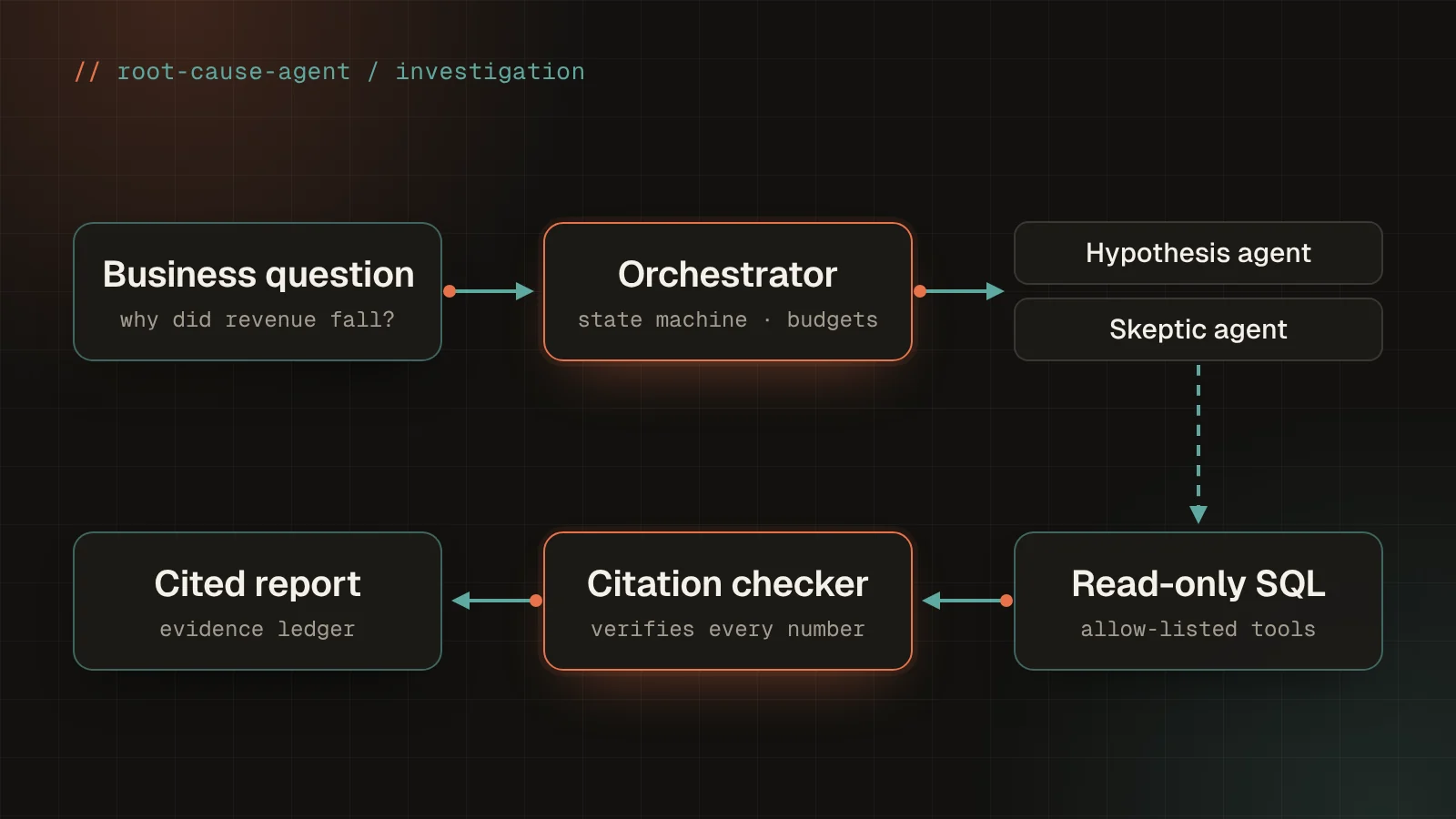


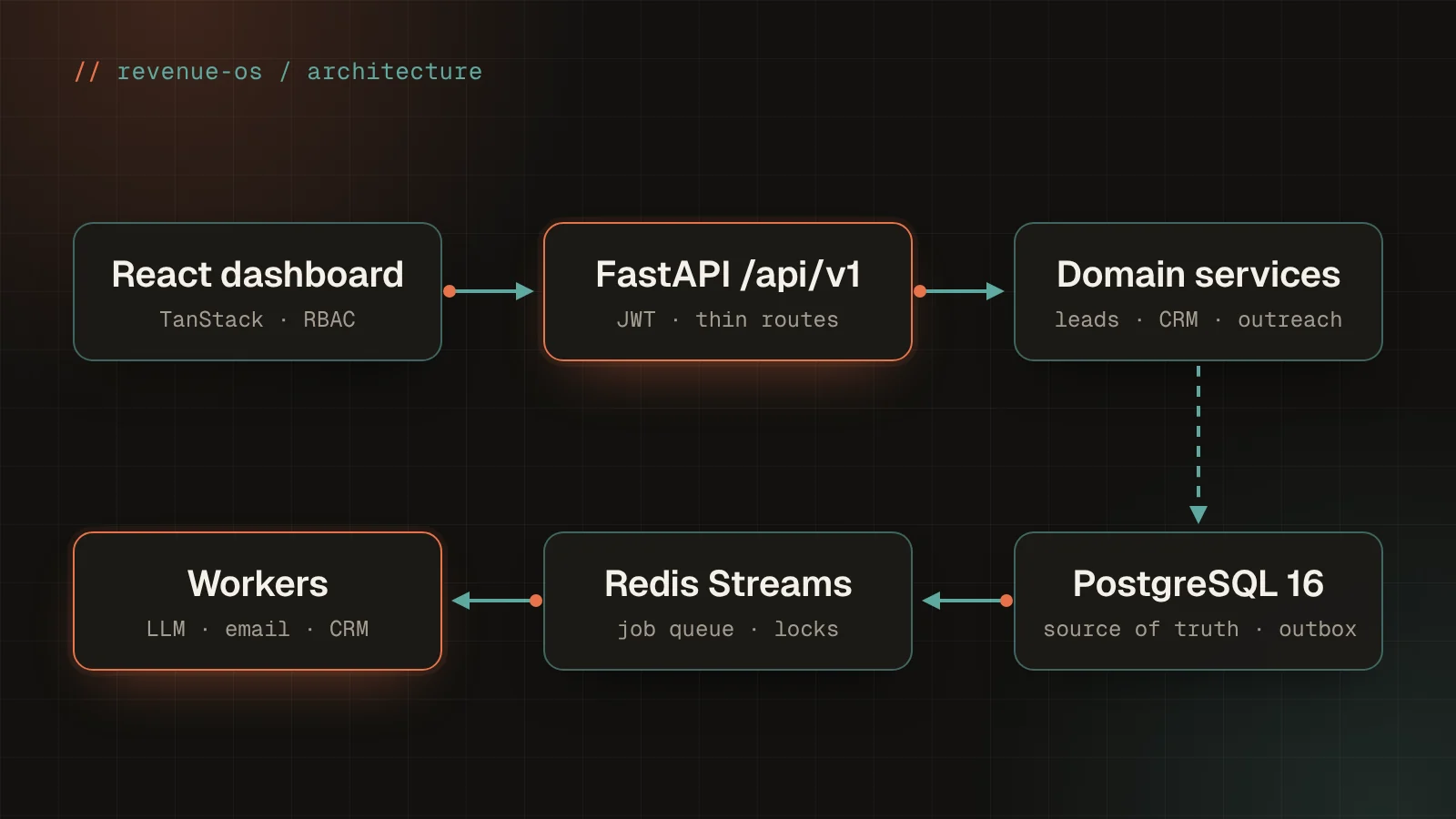
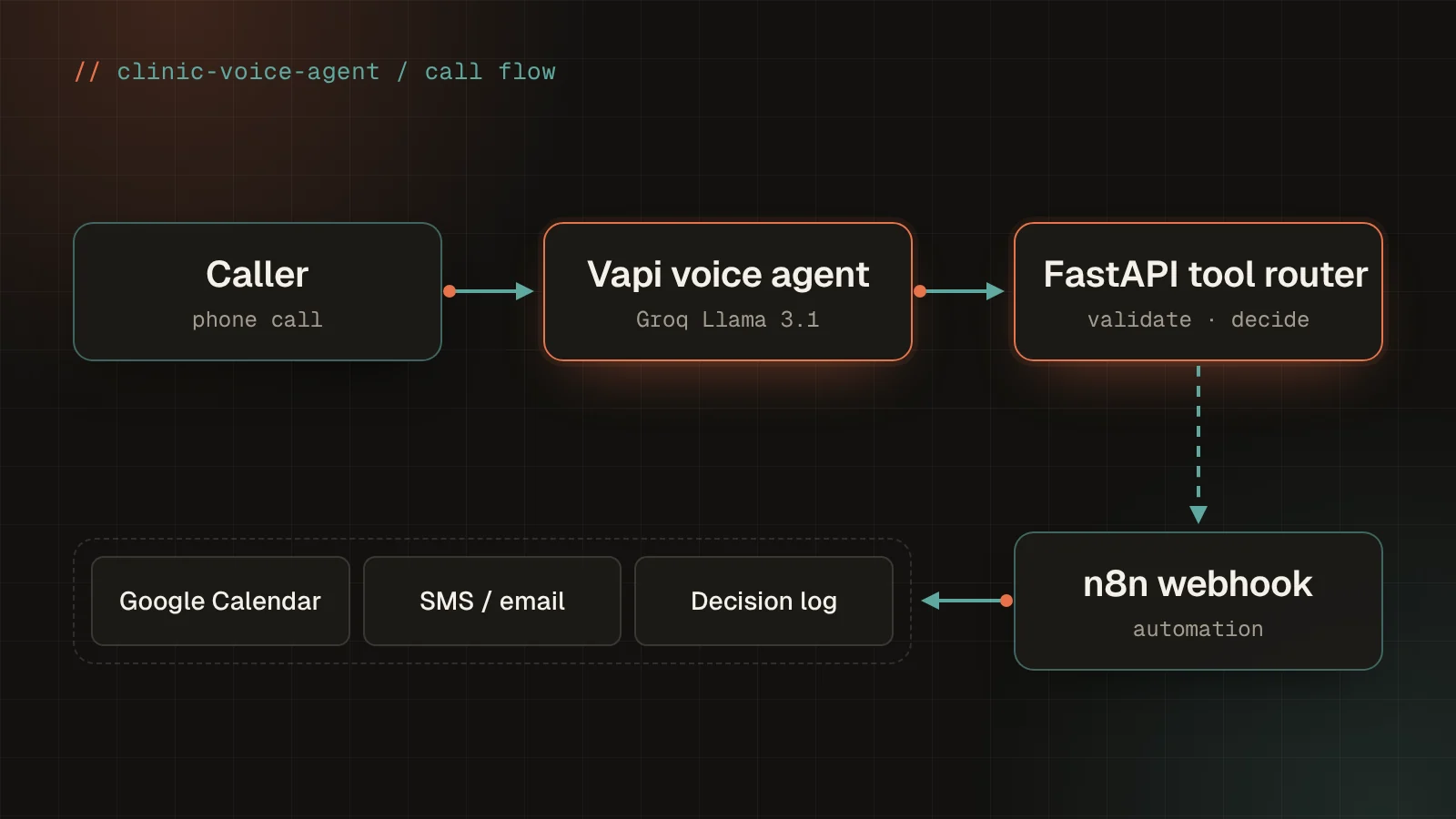
How one of my systems thinks
A root-cause investigation agent: code does the math, the LLM does the reasoning, and every claim must cite evidence.
Question
input“Why did revenue fall last week?”
Verify
pythonBaseline + significance test — is the change real?
Hypotheses
llmLLM proposes falsifiable explanations
Test with data
sqlRead-only, allow-listed SQL tools only
Counter-evidence
pythonActively tries to disprove each claim
Cited report
outputEvery number checked against the evidence ledger
How I Work
- 01
Discovery
A short call to understand the problem, users and goals. You get a clear scope, timeline and fixed quote.
- 02
Design
Architecture, data model and UI flow are agreed before any code is written — no surprises later.
- 03
Build
Development in small milestones with a live preview link, so you can see progress every week.
- 04
Test
Automated tests, manual QA on real devices and a review round with you before launch.
- 05
Launch & Support
Deployment, handover docs and free bug-fix support after launch.
Engineer, not just a coder
I think about architecture, testing and long-term maintenance — not only getting a demo to work.
End-to-end delivery
Frontend, backend, database, AI and deployment — one person who understands the whole system.
Clear communication
Weekly updates, honest timelines and plain-language explanations for non-technical clients.
Remote-ready, worldwide
Delivered projects for clients in the USA, UAE, France and Pakistan, across time zones.
Tech Stack
Core stack
Languages
Backend
Frontend & Mobile
Databases
AI & Automation
DevOps & Testing
Engineering Notes
Designing Production RAG Systems
Lessons from building retrieval-augmented generation pipelines that actually work in production — chunking strategies, embedding selection, and evaluation.
Building Reliable AI Agents
Architectural patterns for LLM-powered agents that don't hallucinate, get stuck in loops, or fail silently in production.
FastAPI Production Patterns
Production-hardened patterns for FastAPI: dependency injection, background tasks, structured logging, and async database sessions.